Press kit
Last updated 16 September 2026
Everything here is free to use in coverage, no permission needed. For a review build, an interview or anything not listed, email press@celestrike.com.
Fact sheet
- Title
- Celestrike
- Developer
- Andrew Ireland (independent, solo)
- Published by
- Andrew Ireland. Google Play developer account: TheAIGuy.
- Platform
- iOS (iPhone, portrait) and Android (phones, portrait).
- Release
- Out now on the App Store and Google Play, September 2026
- Build status
- Released and updated. Over 1,700 passing unit tests.
- Price
- Free to play. One optional in-app purchase: packs of in-game hours that fast-forward the world clock.
- Genre
- Spy-satellite strategy / simulation, with orbital combat and unexplained contacts
- Modes
- Single player
- Connectivity
- Fully offline. No accounts, no server.
- Website
- celestrike.com
Descriptions
One line
A spy-satellite strategy game about a black-budget programme gone rogue, with the real physics left in and something in orbit that answers to no registry.
Short
They came to shut your black-budget satellite programme down, so you took it rogue — the satellites, the stealth launch site, all of it. Fly over other governments' secret sites, find out what is down there, and sell the intel for credits that buy the next satellite. Orbits are genuinely Keplerian, propellant is finite and only a servicing flight restores it, and every move is a permanent decision about the rest of that satellite's working life. Then the arms race starts: shadow other nations' satellites, steal their technology and shoot them down — until the cameras start catching objects nobody launched, and craft that land, leave, and leave something behind.
Full
Celestrike is a mobile strategy game about espionage logistics. You have taken a black-budget satellite programme rogue: nobody funds you now, and nobody shuts you down. You are not flying a spaceship — you are running an intelligence operation whose orbits won't negotiate.
Two pillars govern everything. Orbit is the gameplay: where a satellite sits decides what it can see, how often it comes back, and who can reach it. Low orbit gives sharp imagery and four minutes to get the shot; geostationary lets you stare at one longitude forever and resolve almost nothing. Neither is an upgrade over the other, and progression never pushes players upward — it only widens the set of regimes they can operate in.
Delta-v is the scarcity: money is a flow, but the fuel budget a satellite launches with is a fixed stock that only a servicing mission can restore. That single constraint produces the game's arc — launched, productive, over-manoeuvred, stranded in a mediocre orbit, decommissioned and replaced.
Progression is depth and breadth, and there is no level gate anywhere in the app. A campaign starts with one satellite; the first site it finishes pays for a second. Eight slots — the imaging telescope, the intercept receiver, the bus camera, propulsion, tankage, power, the antenna and the weapon bay — can be specified on the pad or swapped later by a vehicle that flies out and berths, and the same module costs several times more in orbit than on the ground because the difference is a rocket. Mass counts only on the pad: a lighter wing chosen at launch frees bus mass for propellant, and the identical wing fitted in flight cannot, because by then the tank is already built. Every part above the stock module is researched first, from the intel the player collects — each kind of ground site teaches particular bays — so what unlocks an upgrade is which targets the player goes after, not play time or money.
Every slot is a ladder that starts at the stock module: the dearer part is better on every figure its card prints, and a refit that fits it to a satellite the player already owns costs less than launching a new satellite carrying the same thing — measured one slot at a time, since a flight swapping several bays is buying several upgrades and adds up past a launch. Upgrading is the cheap path; a launch is what buys coverage somewhere new, and a second satellite is the only way to be over two places at once. What keeps the catalogue a choice rather than a tier is that no design dominates another — measured per day and per target kind, and asserted in the build.
The sun is in the model. The terminator moves across the globe, sun elevation gates an optical payload on a curve that peaks at a low sun rather than at noon — shadows are what make structure readable — and signals payloads are deliberately unaffected at every angle, so a target at three in the morning is never a closed door. Eclipse derates a satellite and the battery state of charge is on screen. Collection never spends it; a powered weapon does, and only sunlight puts it back.
The sky is contested. Thirty-two foreign spacecraft share the player's orbits, and a better camera turns each from a blur into a picture into a report on what it carries and whether it is armed. A satellite can fly past one for a photograph, or shadow it at long, medium or close range: every range drains the data its recorder holds, and close range takes its technology, which feeds research. The weapon bay carries orbital mines fired backwards round the target's own orbit, a railgun, and EMPs that run on the battery. A kill pays nothing; what a weapon buys is the target gone.
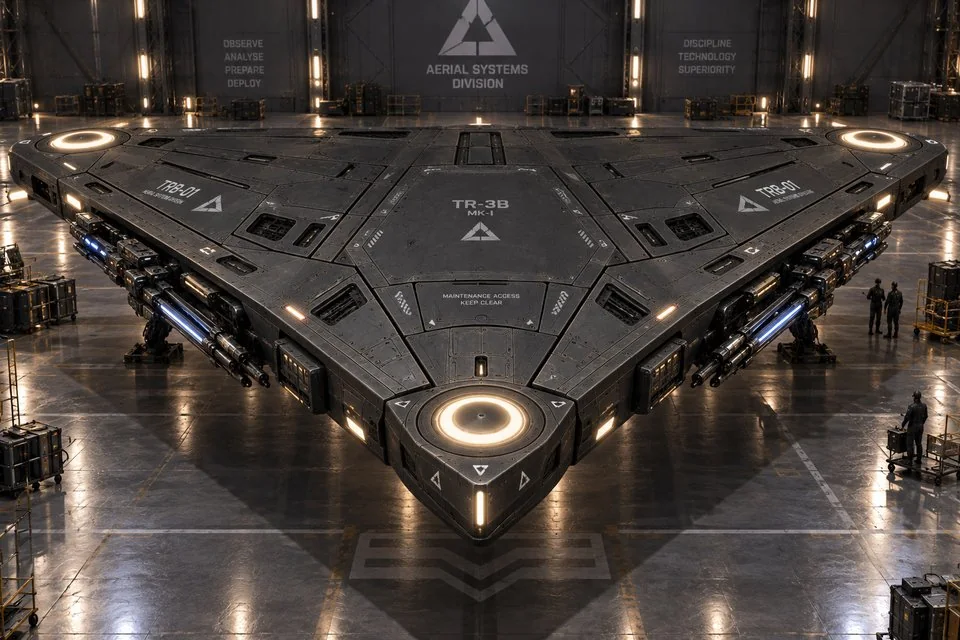
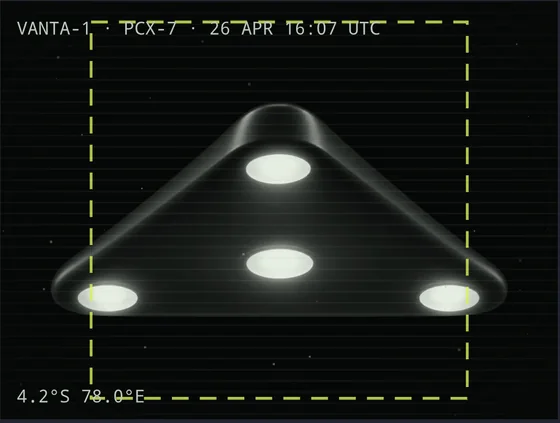
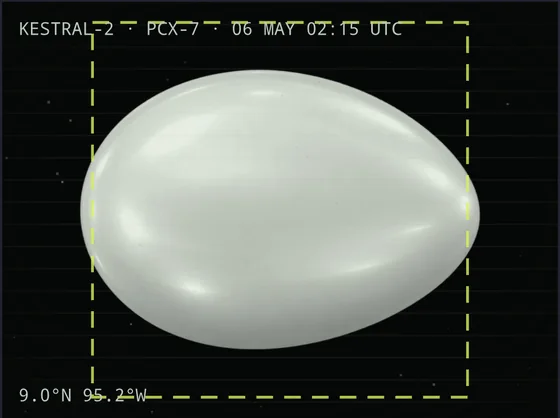
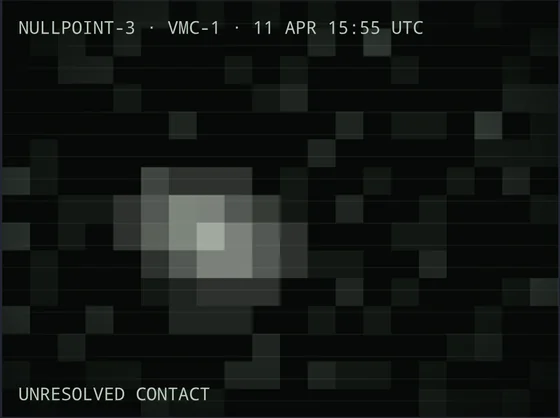
And not everything up there is ours. Among the foreign satellites are objects with no registry that circle faster than an orbit allows, and craft that fly a few low orbits and land on the ocean or the ice for a few days. The stock camera cannot tell one from a distant spacecraft; the best camera holds one in frame. Sightings go into a log whose clusters point, never precisely, toward structures under the sea and the polar ice. A landing can be recovered by a ground team, and what comes back — reactor cores, element 115, metamaterial panels — builds the TRB-01, a triangular interceptor that chases a craft in flight and fights it under the player's thumbs. The game never says what any of them are, and no photograph ever pays.
Underneath, orbits are propagated from six classical elements with J2 nodal precession, so ground tracks drift correctly between passes and sun-synchronous orbits behave. There is no simulation tick: position at any timestamp is computable in constant time, which means the world does not run while you are away so much as remain derivable. Close the app for an hour and the intel is exactly where the orbit says it should be.
Features
- A real propagator. Classical Keplerian elements plus J2 secular precession. Burns are applied as impulsive delta-v in the local orbital frame and the resulting orbit is whatever the physics produces.
- Hidden ground sites. Every country holds one or two, generated deterministically from its own name, so the same world exists on every device with nothing stored and no server involved. They are invisible from orbit and must be hunted.
- A 2D orthographic globe drawn with Skia — filled country geometry, true small-circle sensor footprints, and orbit rings depth-split so the far arc genuinely disappears behind an opaque Earth.
- Intel that is computed, not ticked. Collection is a function of footprint coverage and altitude, evaluated on demand, so the game is honest about time whether it is open or closed.
- Repeat ground tracks, priced in propellant. A track that walks west is fixed by tuning the period until a whole number of revolutions closes in a whole number of nodal days. The planner flies every candidate ratio and ranks them on the worst wait a player would actually feel — then charges station-keeping delta-v every day the track is held, which is exponential in altitude and so spans two orders of magnitude across the band.
- Sunlight that gates optics and nothing else. A day-night terminator computed per pixel from one dot product, an imaging curve peaking at a low sun, signals payloads flat at every angle, and eclipse derating on a battery that collection never spends.
- A launch catalogue where nothing dominates. Four designs differing by regime, inclination, hull and payload — and a build-time test asserting that none of them beats another outright on yield per day or per target kind.
- Upgrades fitted in orbit. All eight open slots can be specified at launch or swapped by a servicing flight; the orbital price carries the vehicle, the reach to that altitude and the berthing time, and still lands under launching a fresh satellite already specified that way, so improving a satellite is cheaper than replacing it.
- A geostationary satellite that parks anywhere. It is bought over a named region and arrives parked there, and afterwards it is walked on a direct line, in any direction, over six hours to five simulated days, on the same cost-times-time curve a real drift along the belt trades on. The price is scaled to the game, and the honest figure for the same crossing is quoted beside it.
- Shadowing and theft. Fly past a foreign satellite, or hold formation behind it at three ranges. Its collected data pays like a ground site; its technology, taken at close range, becomes research.
- Orbital weapons. Mines that run the target's orbit backwards so it flies into them head-on, a railgun, and two EMPs that draw on a battery recharged only in sunlight. Every weapon is researched, and every fight can be walked away from.
- Unexplained contacts. Photographs that stay a blur until the camera is good enough, a sighting log that leans toward hidden structures without ever pointing at one, landed craft to recover by ground team, and a triangular interceptor built from what comes back, flown in a real-time fight.
What is not in it yet
Stated plainly so coverage does not have to guess. Celestrike is single-player, and its combat is offence only. The weapon bay ships; the defence and hardening bays are on screen marked COMING SOON and carry nothing yet. There is no ORBIT schematic view and no terrain shader. The only purchase is optional in-game hours, which skip waiting; satellites, upgrades and propellant are never sold for real money. Player-versus-player, a persistent shared sky, the insurance economy and the debris system belong to a later phase that is conditional on v1.0 finding an audience, and is not being promised.
Artwork
Right-click to save, or link directly.
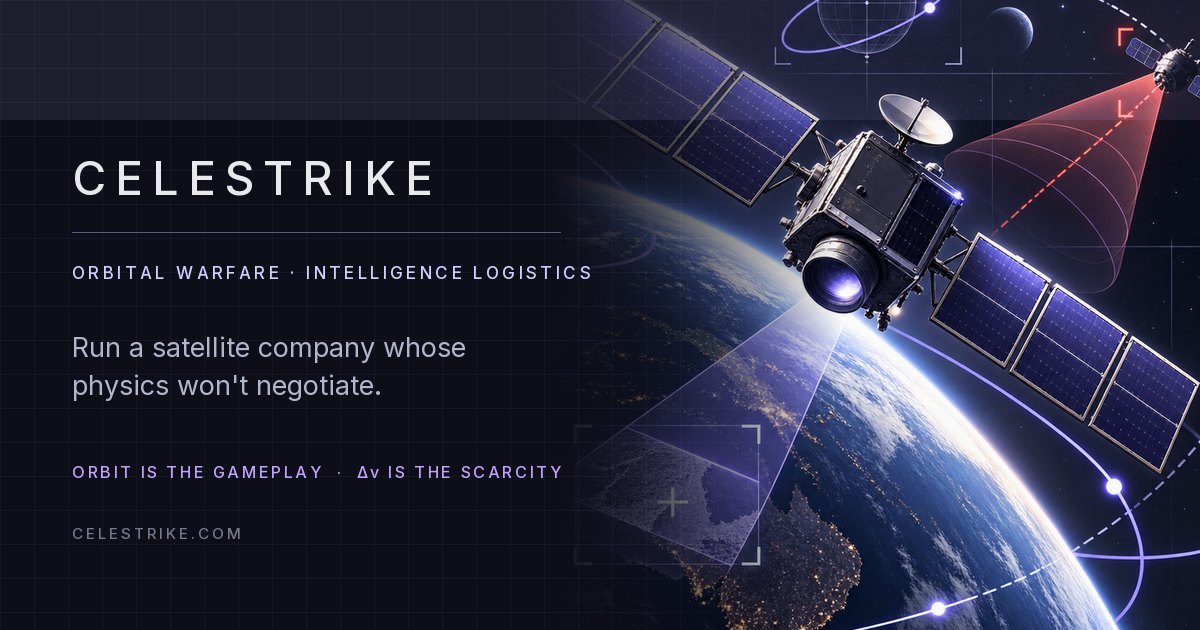
- Key art — 1200 × 630 JPEG
- App icon — 512 × 512 PNG
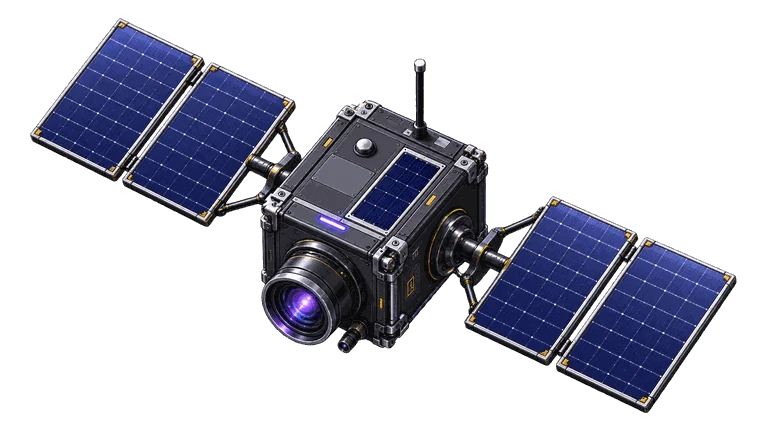
- VANTA imaging bus — 768 × 432 WebP
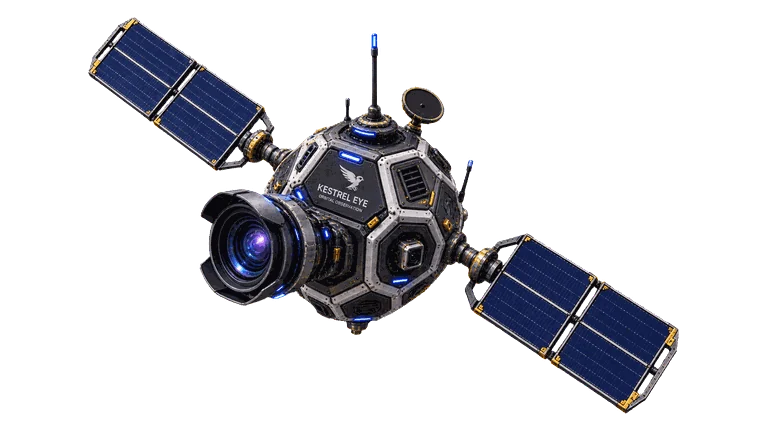
- KESTRAL signals bus — 768 × 432 WebP
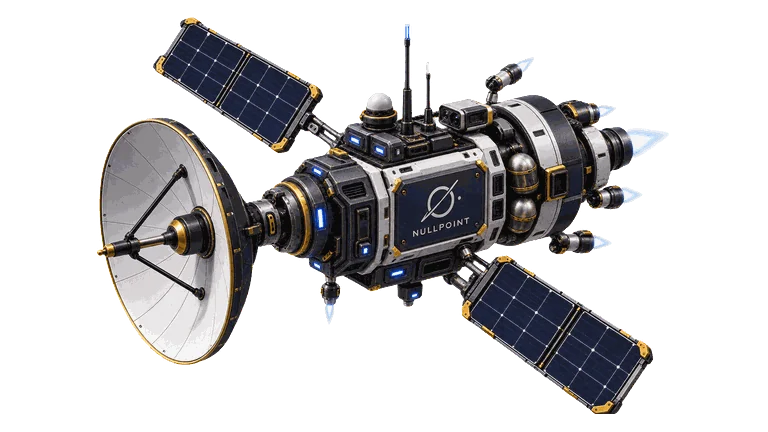
- NULLPOINT relay bus — 768 × 432 WebP
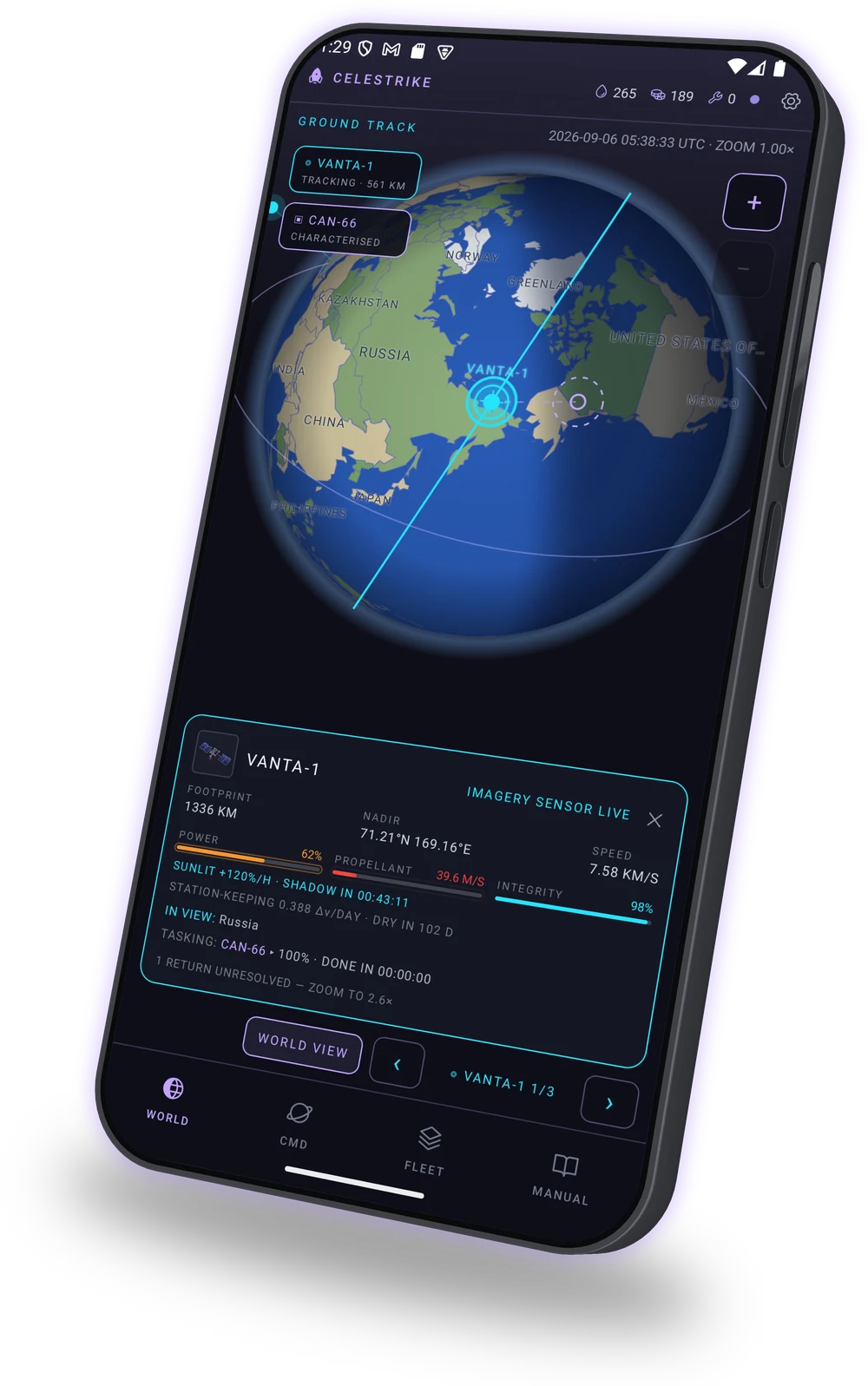
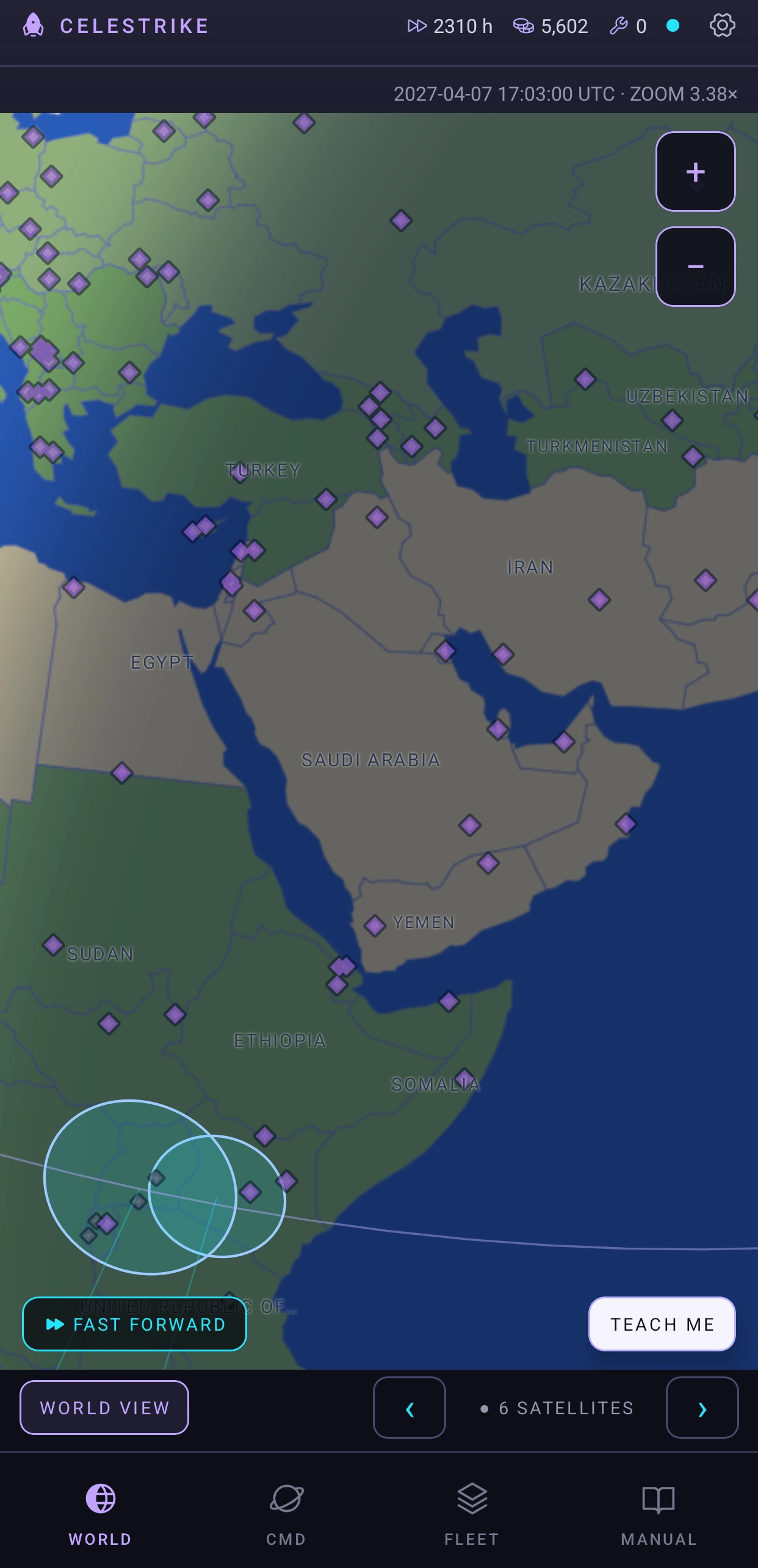
- Device shot, WORLD screen — 1000 × 1597 WebP, transparent
- TRB-01 interceptor in its hangar — 960 × 640 WebP
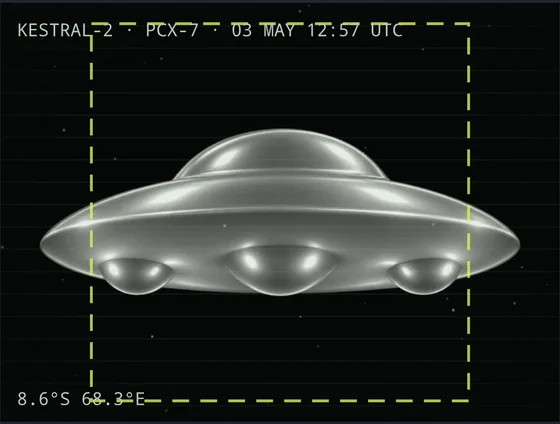
- Sighting photograph, disc — 560 × 424 WebP
- Sighting photograph, triangle — 560 × 423 WebP
- Sighting photograph, egg — 560 × 418 WebP
- Sighting photograph, unresolved — 560 × 418 WebP
Screenshots
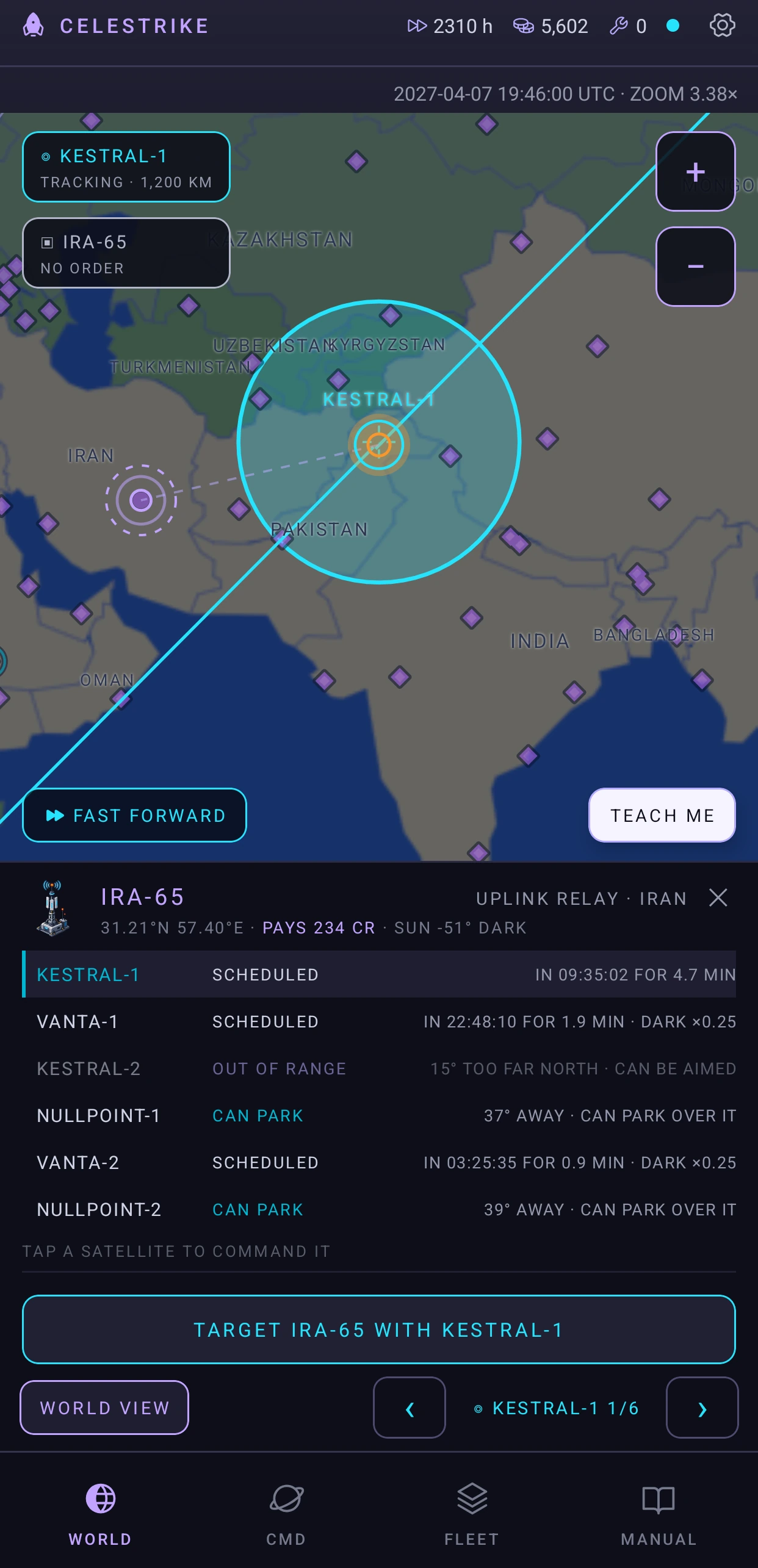
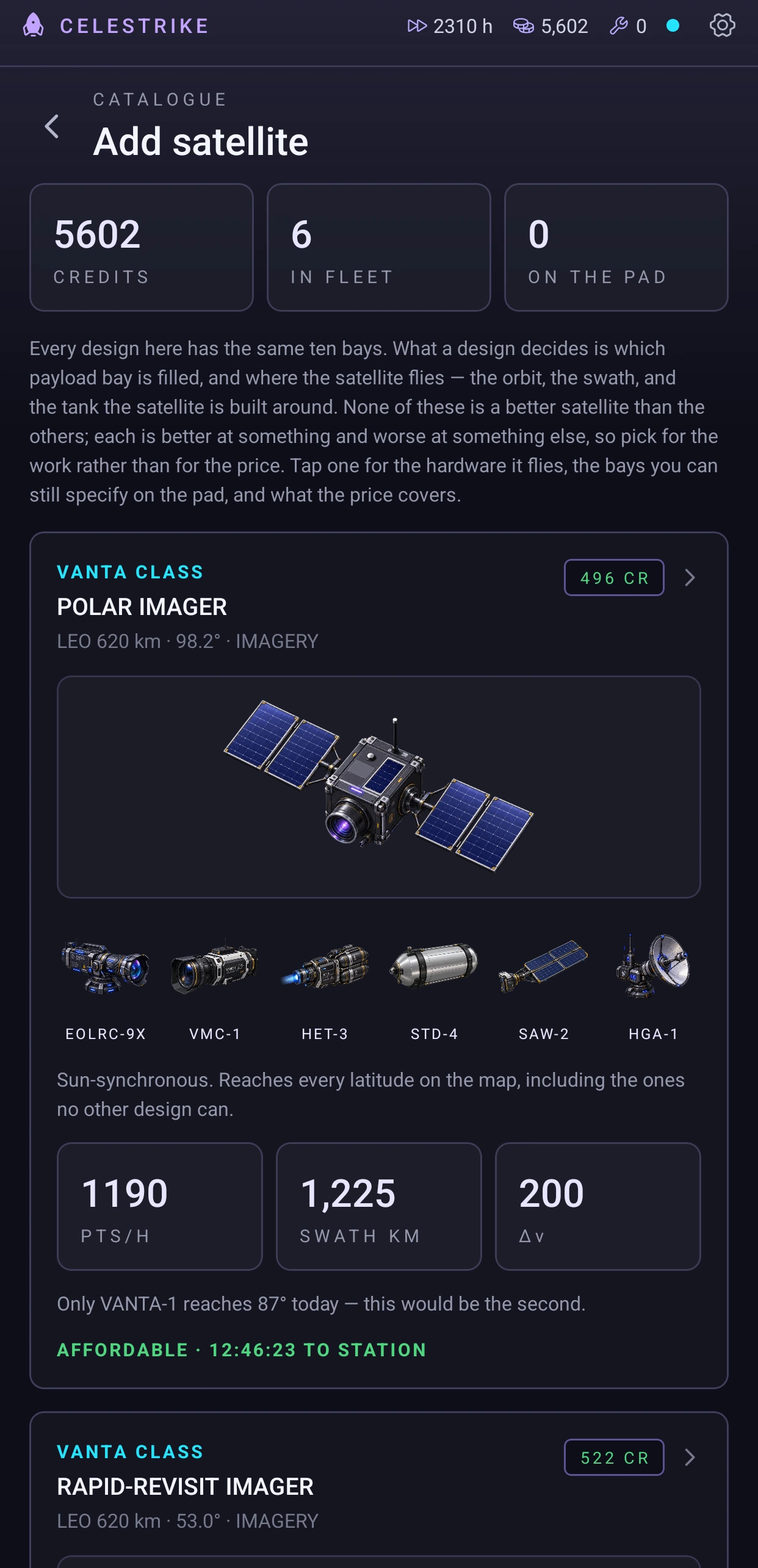
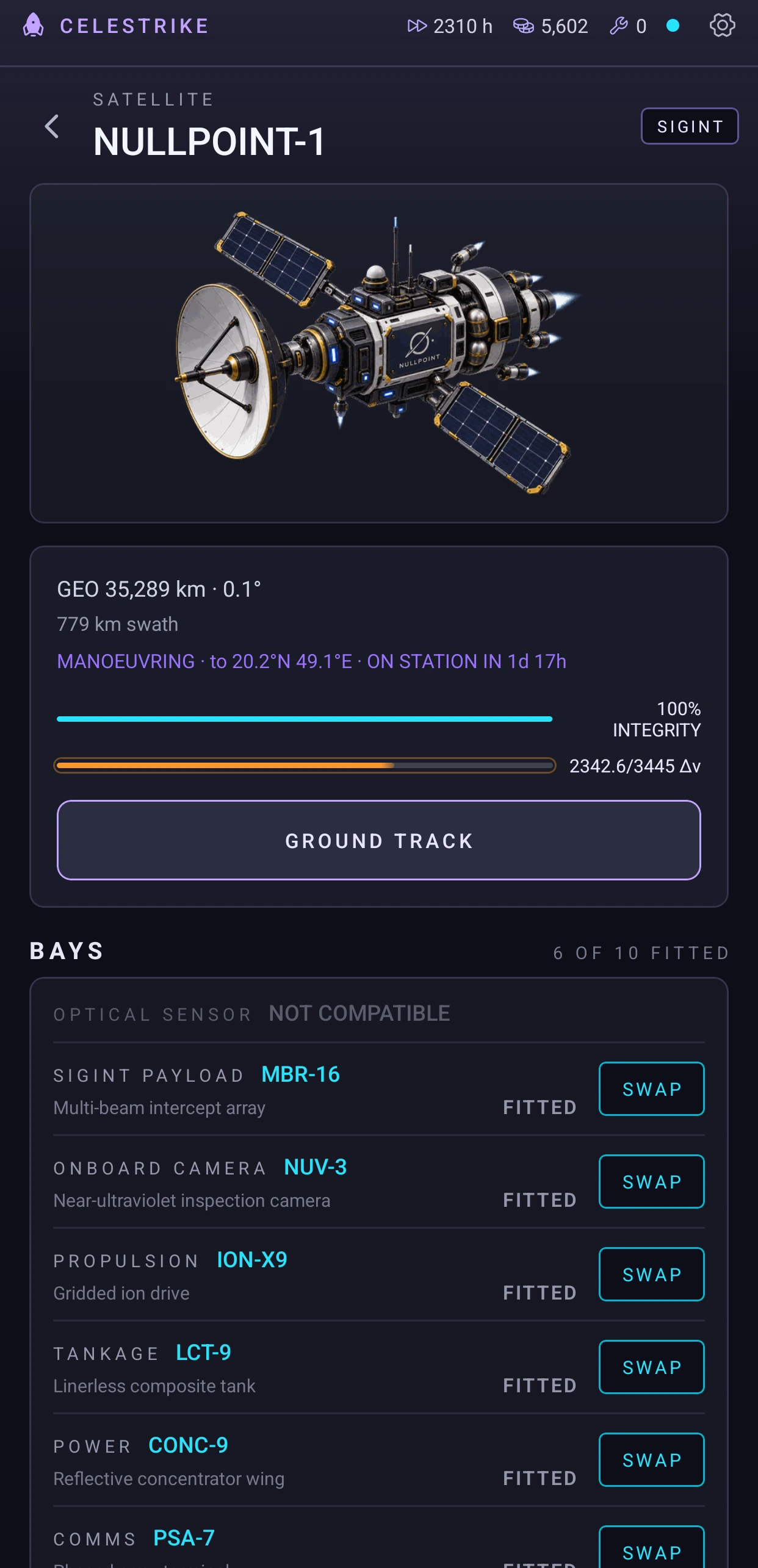
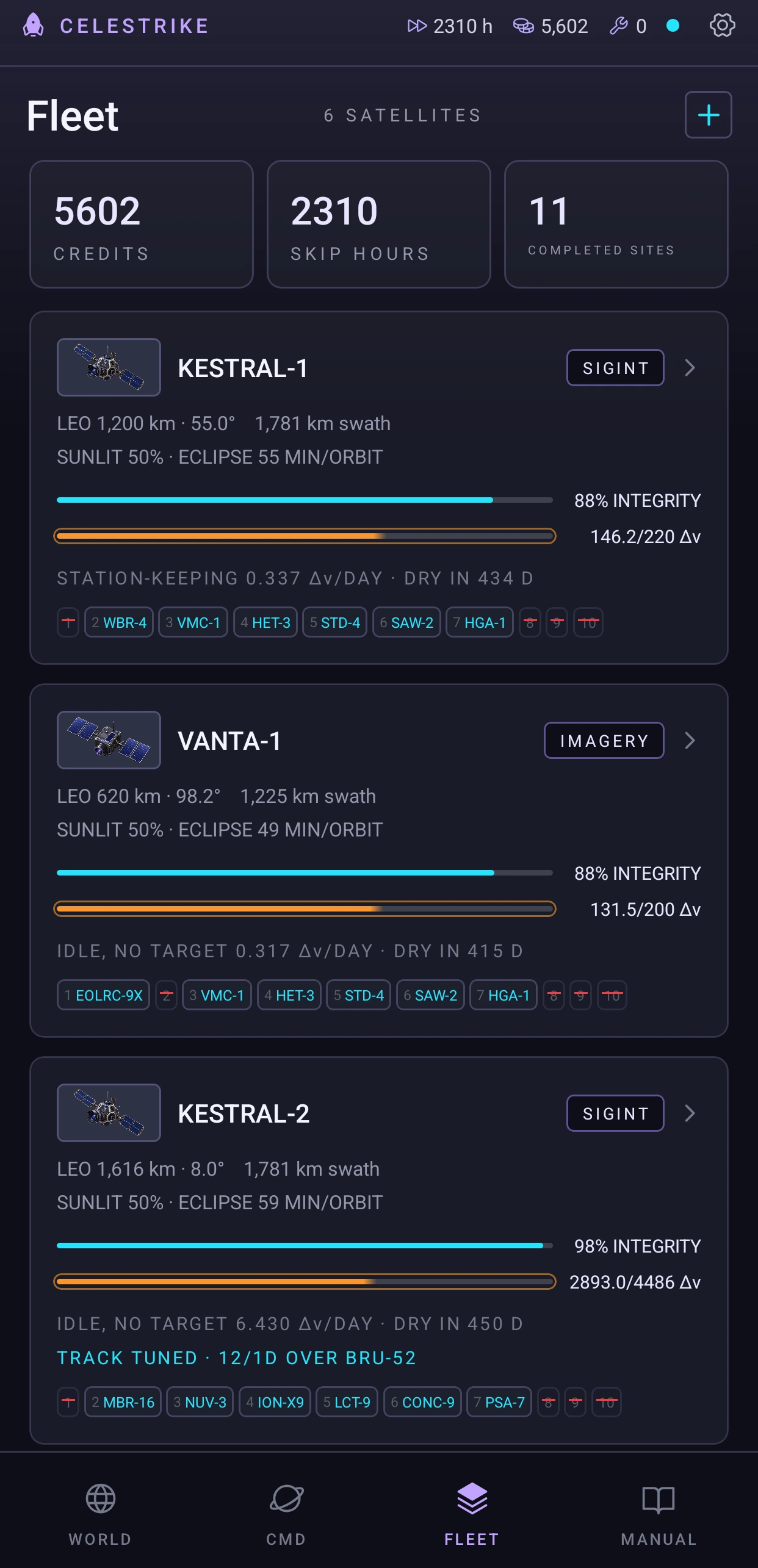
Off the shipping build, at the resolution the device produced — 1242 × 2570, which is the App Store 6.5-inch frame with the phone's own status bar and gesture hint cropped away and no pixel of the app touched. Captured on Android; the app lays out at the same point size on a 6.5-inch iPhone, so nothing is upscaled or restaged.
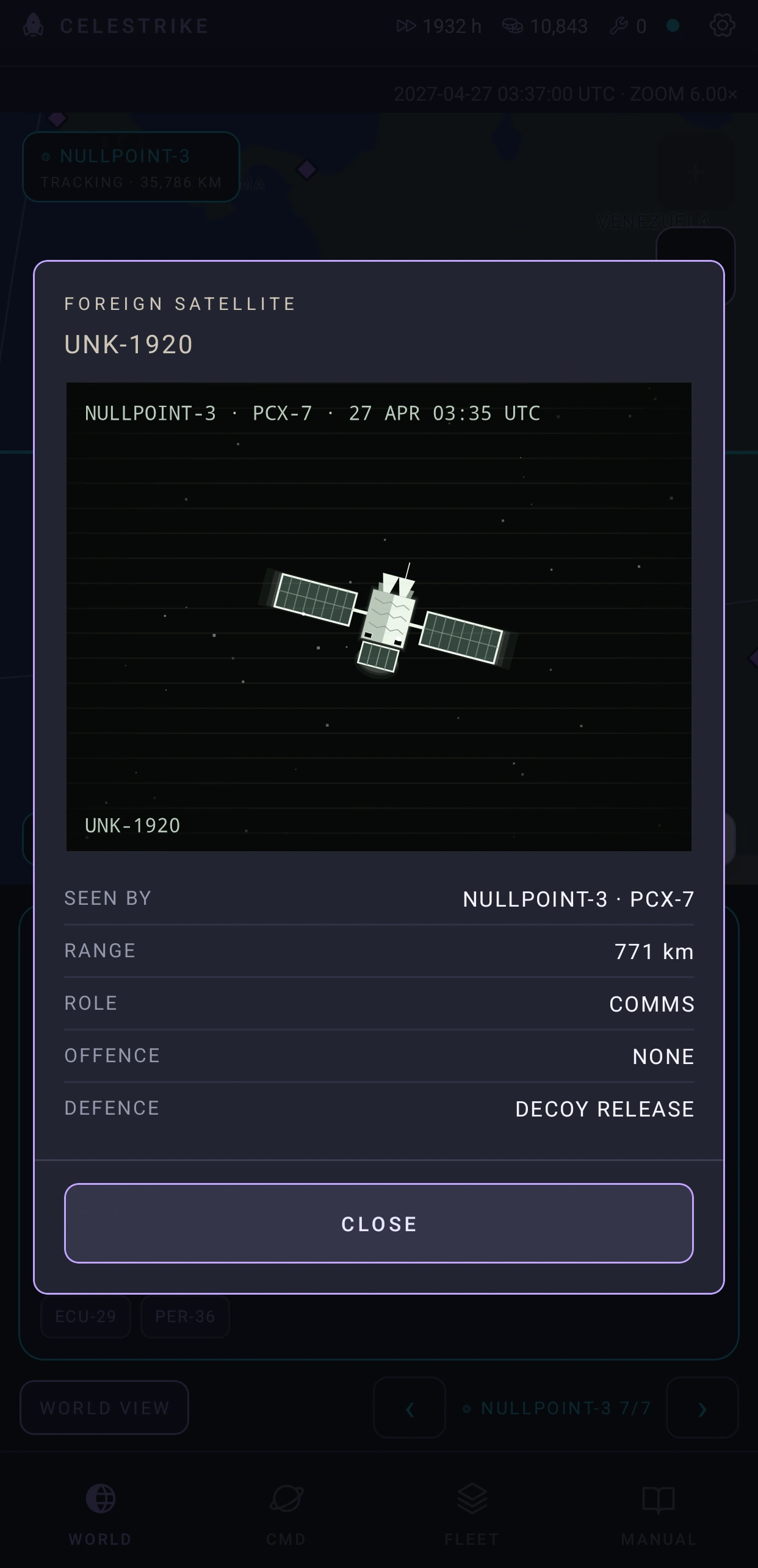
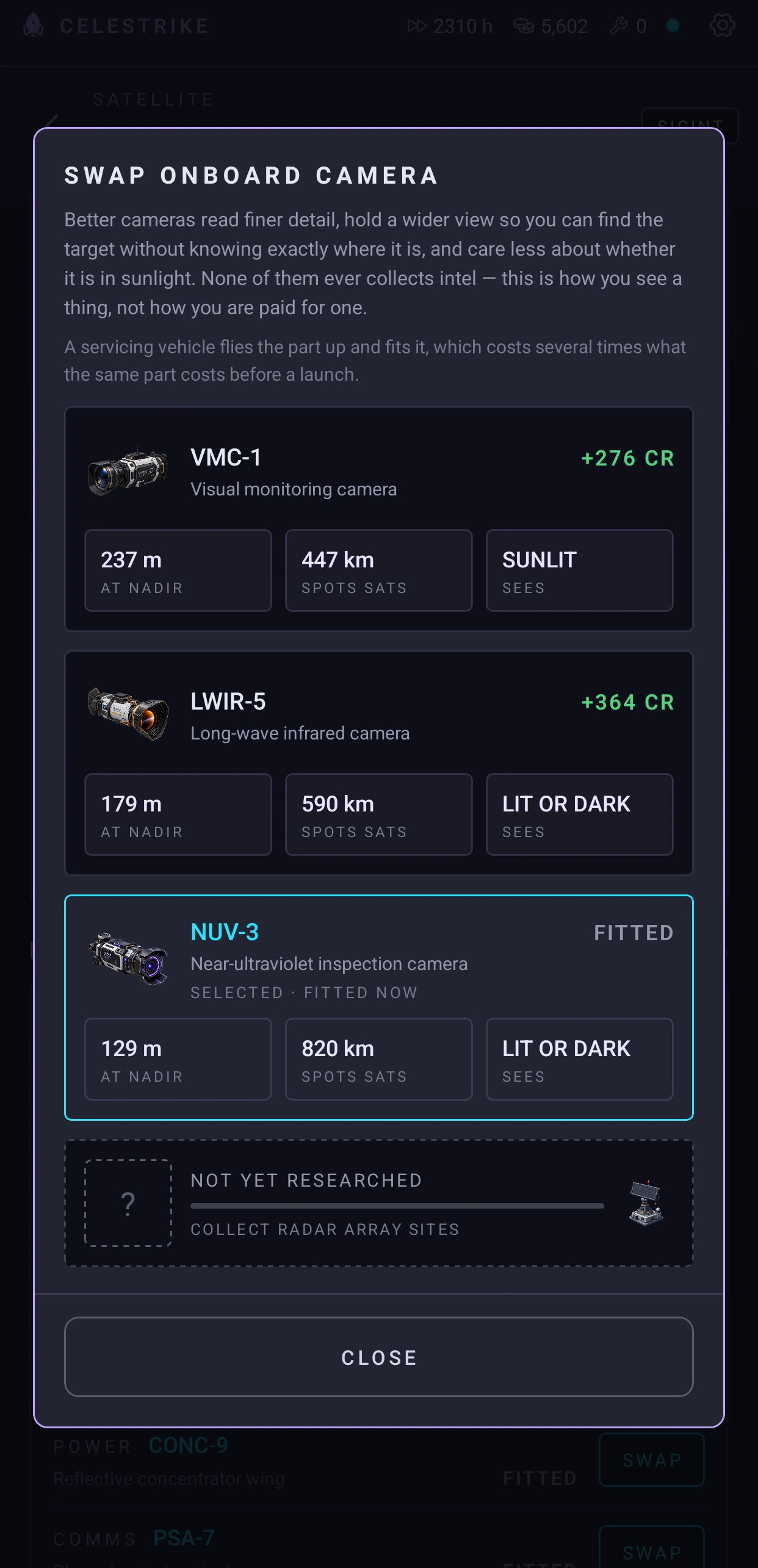
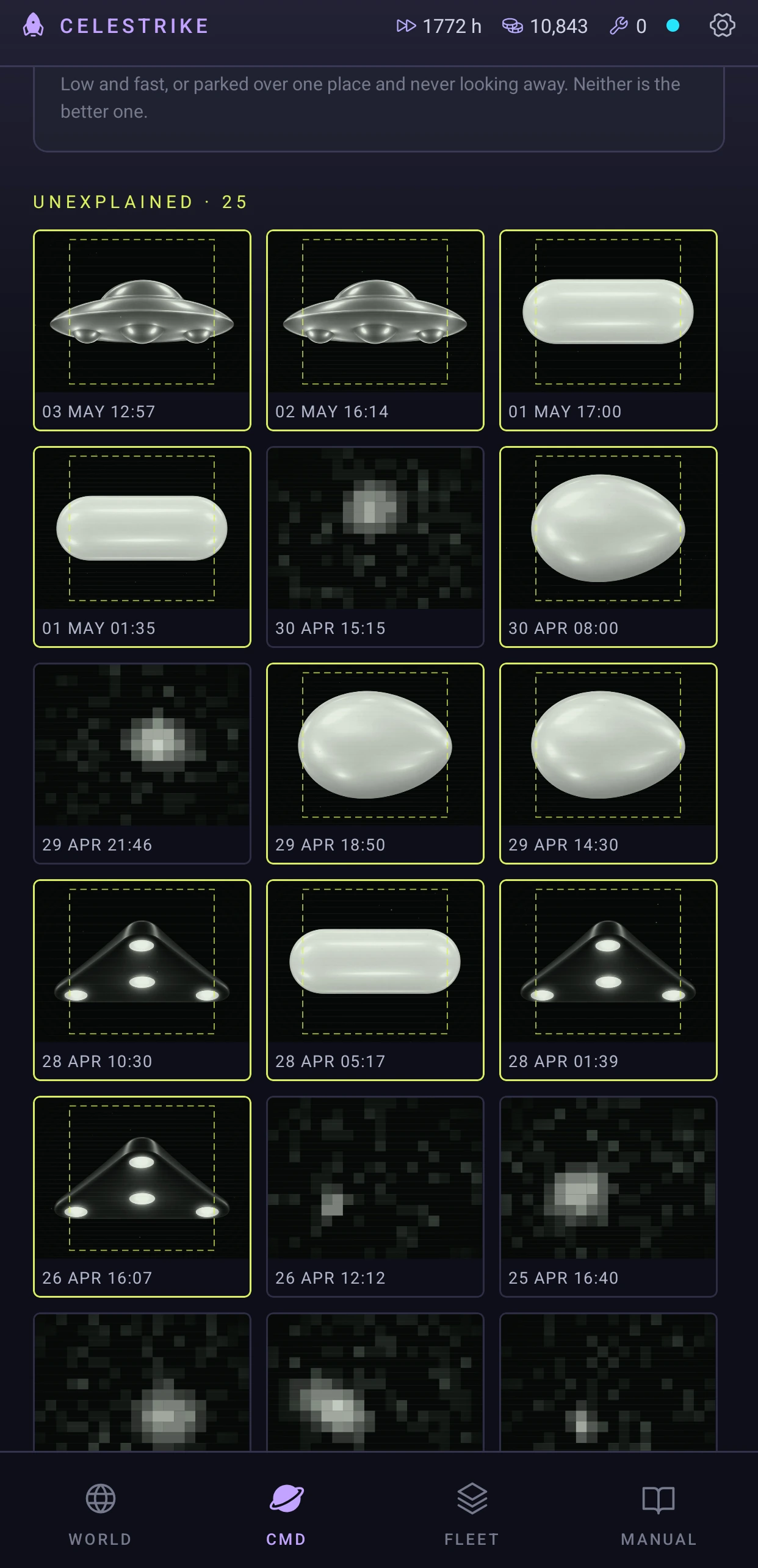
The angle, if it helps
The premise puts the player on the wrong side of the fence. A black-budget satellite programme is being shut down and its operator — you — takes it rogue instead, stealth launch site and all, and pays the bills by flying over other governments' secret sites and selling what the satellites see. No country is named and none is a target on purpose; the fiction is a reason to want the next site, and the physics is what makes getting there cost something.
The rest is barely fiction. Geostationary inspector satellites shadowing each other is documented, ongoing behaviour — in 2023 a US surveillance satellite manoeuvred toward two newly arrived Chinese satellites in the belt, which scattered, one of them repositioning to get a sunlit view of its observer. Celestrike is a game about that world, built by someone who thought the interesting part was the logistics rather than the lasers.
The unexplained contacts take their cue from the military UAP reports made public in recent years, and players who know the genre will recognise its furniture: the disc, the black triangle, the Black Knight, element 115. The game never says what any of it is. The picture carries the reveal; the words stay the words an intelligence programme would actually write down.
It is also a deliberately unfashionable design: free to play, with no energy timer and no offline attacks. A satellite is never lost without warning: one worn to nothing falls back to Earth over a telegraphed window, in which a servicing flight can still save it, and the phone says so.